

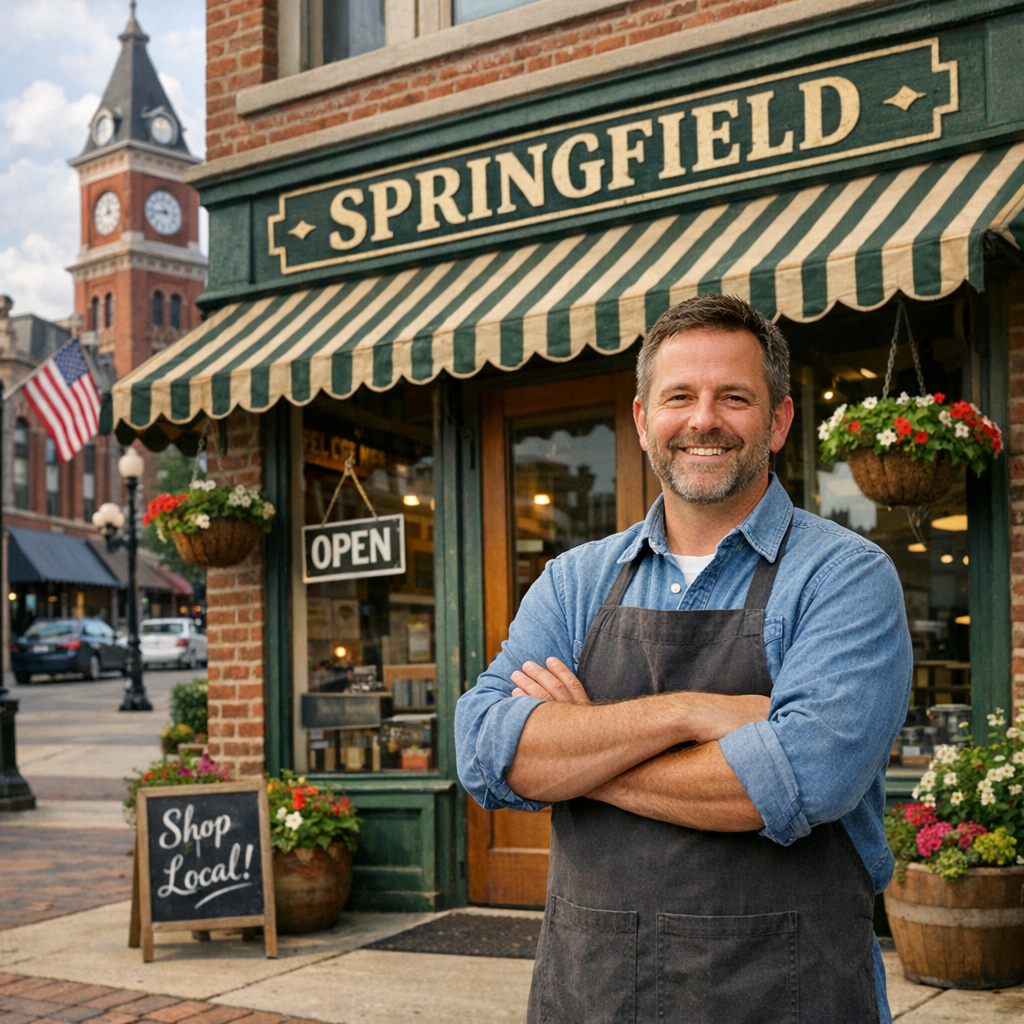
Springfield’s economic landscape is shifting. Between persistent retail gaps, a skyline dotted with commercial vacancies downtown, and a strong manufacturing base, the local business scene offers both challenges and emerging opportunities. Today’s entrepreneurs are tapping into a growing support network to thrive in this complex environment.
What the Numbers Tell Us
The latest data from the U.S. Bureau of Labor Statistics shows Springfield’s unemployment rate hovering around 5.1%, after a steady decline over recent months. Meanwhile, nonfarm job levels are rising, with gains in manufacturing and construction helping lift total employment. Though some growth sectors are modest, the trend points to increasing stability in core local industries.
New market studies also highlight noticeable gaps in the retail mix. Businesses like furniture, jewelry, and footwear show lower sales in Springfield than might be expected for a city of its size—suggesting under-served potential in specialty and department retail.
Support Systems You Should Know
Entrepreneurs aren’t going it alone. Springfield offers several institutions helping business owners navigate challenges:
- Legacy Economic Development Corporation: Offers grants, workspace access, and mentorship to solo operators and small businesses looking to grow. Special focus is given to micro-entrepreneurs and neighborhood enterprises.
- Springfield Small Business Development Center (SBDC): A no-cost consulting, training, and support service for both startups and businesses looking to scale.
- Common Capital Business Resource Center: Provides free one-on-one navigation, workshops, and financial counseling in English, Spanish, and Arabic.
- Urban League’s NextStage Minority Business Entrepreneur Academy: Designed for minority or female-owned businesses with a few years in operation; helps scale with a three-year strategic growth plan.
Opportunities in the Gaps
Vacant storefronts and under-populated specialty retail zones suggest room for growth. Businesses that fill the void in categories like furniture, electronics, clothing, and home goods may find ripe opportunities. Moreover, downtown is experiencing a gradual revival—with more office conversions, arts venues, and walkable retail emerging. Entrepreneurs who can match offerings to both residential demand and pedestrian traffic stand to gain.
The city’s procurement and certification programs for minority-, women-, and veteran-owned businesses also open doors. Certification through DTAC can lead to contracts and collaborations that were harder to access previously.
Challenges & What Entrepreneurs Should Consider
Despite improving unemployment figures, some businesses still report difficulty finding specialized skills among job applicants—especially in technical or advanced manufacturing roles. NRSA (Neighborhood Revitalization Strategy Area) businesses tend to feel this pressure more acutely.
Other common hurdles include: marketing and advertising, financial planning, and legal compliance, particularly for businesses in NRSA neighborhoods. Support networks are aware of these issues and adapting offerings accordingly.
Steps Forward for Entrepreneurs
- Explore certification programs early—DTAC’s minority or small-business certification can help unlock contracts and visibility.
- Apply to mentorship and accelerator programs (like Urban League’s NextStage) to build strategic growth plans.
- Pay attention to locating where specialty retail demand is underserved—downtown and residential corridors near transit hubs are emerging hotspots.
- Build staff skills through training programs via E&BC or technical assistance from SBDC.
Building a resilient local business isn’t just about meeting immediate demand—it’s about fitting into the bigger economic shifts shaping Springfield. With solid support structures, entrepreneurs who rise to meet those shifts have real potential for lasting success.